Maximizing Oil Yield: Choosing the Best Material for Pyrolysis

In recent years, pyrolysis has emerged as an innovative method to convert waste materials into valuable resources. Among the many products derived from this process, pyrolysis oil stands out due to its high energy content and versatility. However, not all materials produce the same amount of oil when subjected to pyrolysis. Understanding which materials yield the most oil is essential for industries and entrepreneurs looking to maximize efficiency and profitability.

Factors Affecting Oil Yield in Pyrolysis

The amount of oil obtained from pyrolysis is influenced by several factors. Temperature, heating rate, residence time, and the type of feedstock all play crucial roles. Generally, materials with high carbon and hydrogen content tend to produce more liquid products. Moisture content is another important factor; wet materials usually reduce the overall yield since water absorbs heat and may form unwanted byproducts.

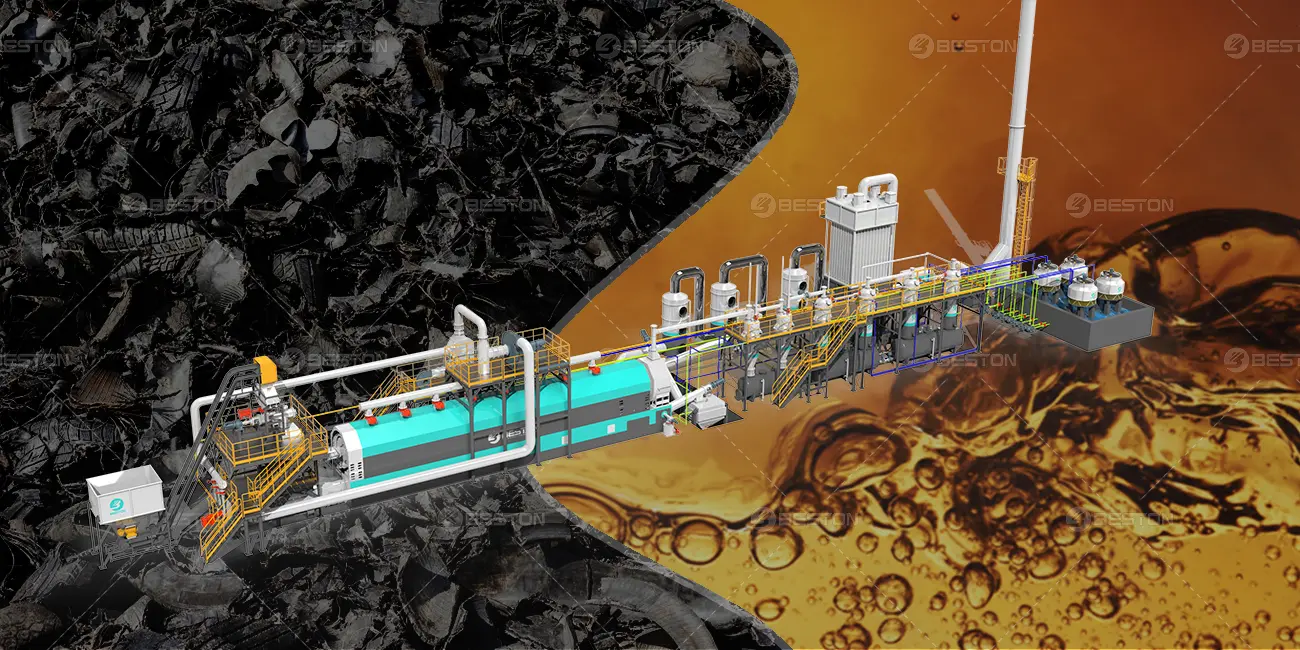
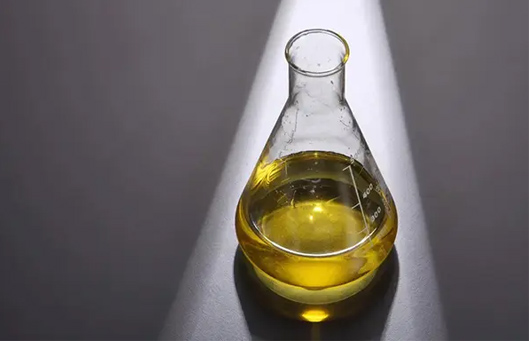
Catalytic-Plastic-Pyrolysis-Oil

Comparing Different Pyrolysis Feedstocks

Among various feedstocks, plastics, tires, and biomass are commonly studied. Plastics, especially those rich in hydrocarbons such as polyethylene and polypropylene, are known to generate high oil yields. Similarly, waste tires, which contain both natural and synthetic rubber, also produce significant amounts of oil, though slightly less than some plastic types. Biomass materials like wood, agricultural residues, and food waste generally yield lower amounts of oil, with a higher fraction of char and gas.

Plastic Waste and Oil Production

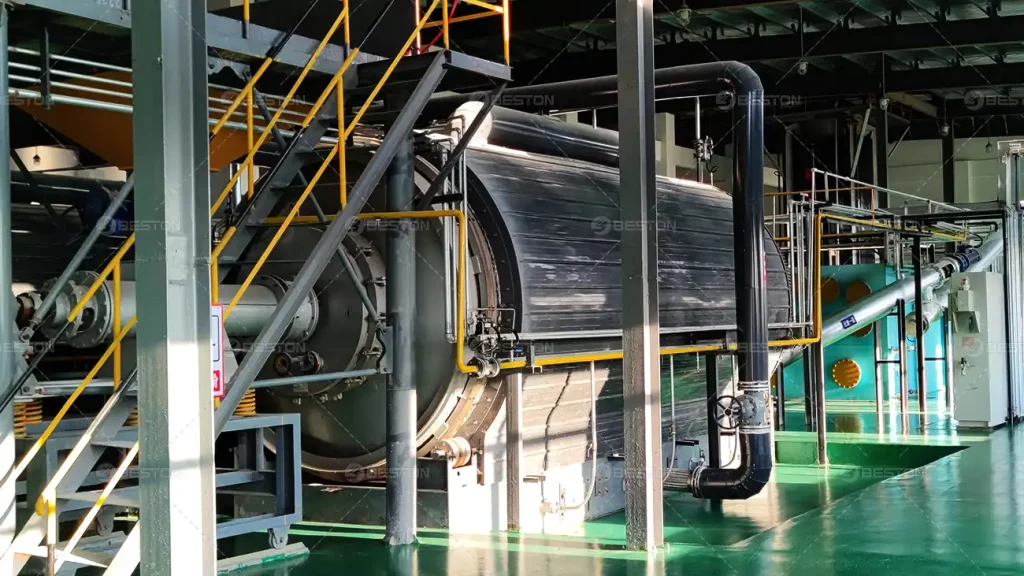
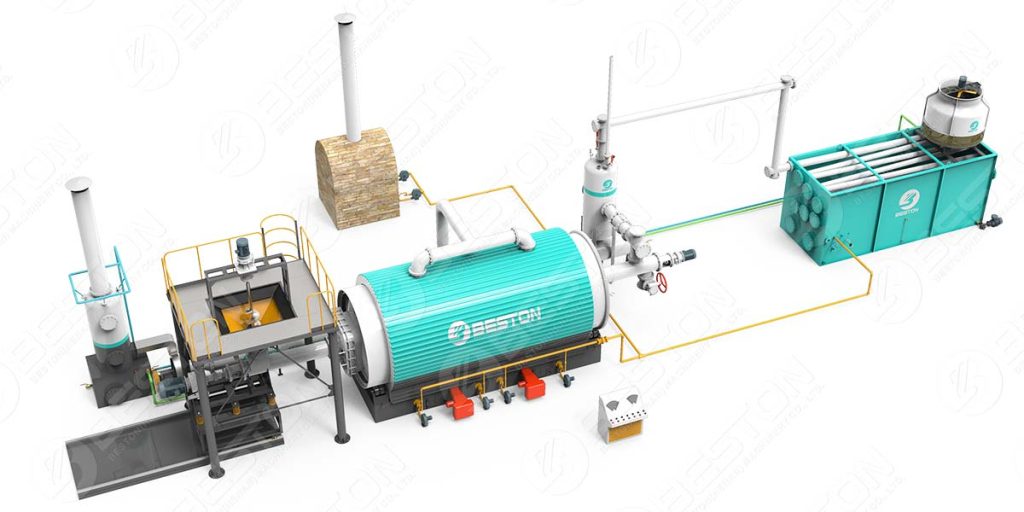
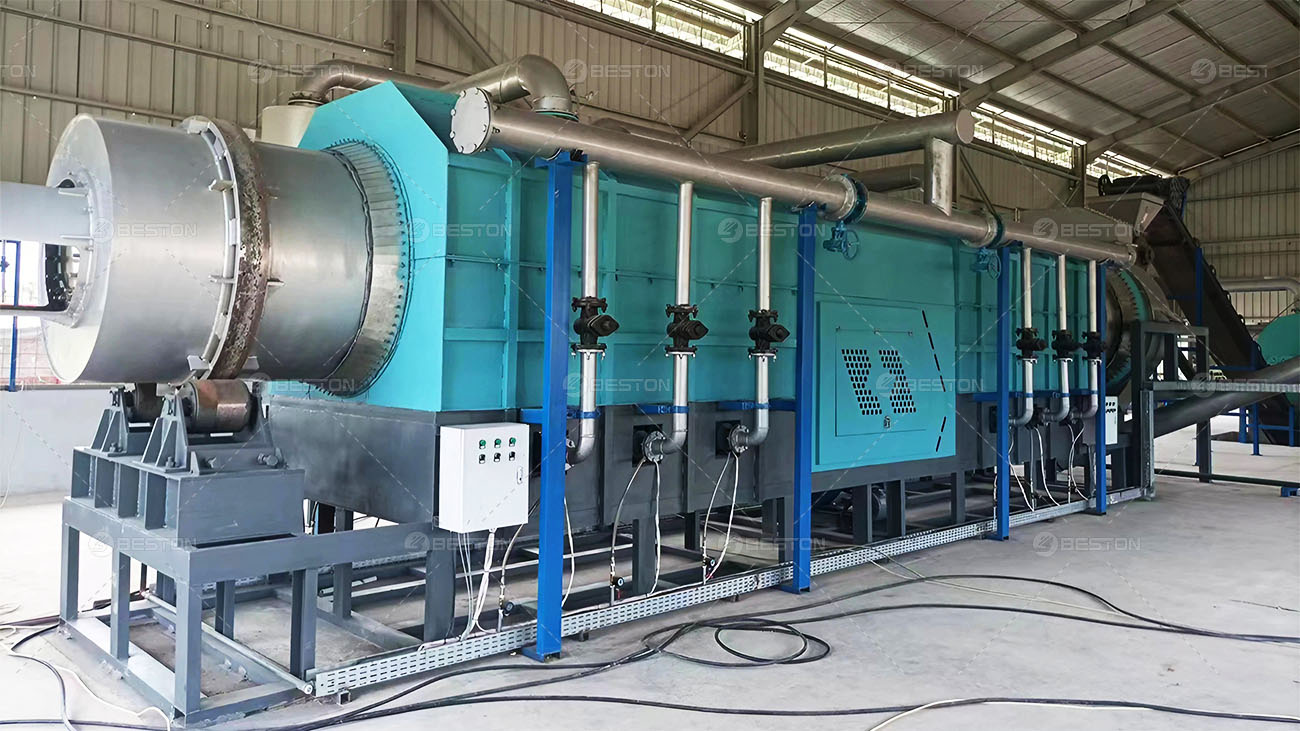
Plastic waste is often highlighted for its superior pyrolysis performance. Plastic pyrolysis equipment is designed specifically to handle various plastic types and maximize oil recovery. The hydrocarbons in plastics break down efficiently under heat, producing a high volume of liquid fuel. This makes plastic an attractive feedstock for commercial pyrolysis operations, particularly in areas struggling with plastic pollution.

Tyres as a Valuable Feedstock

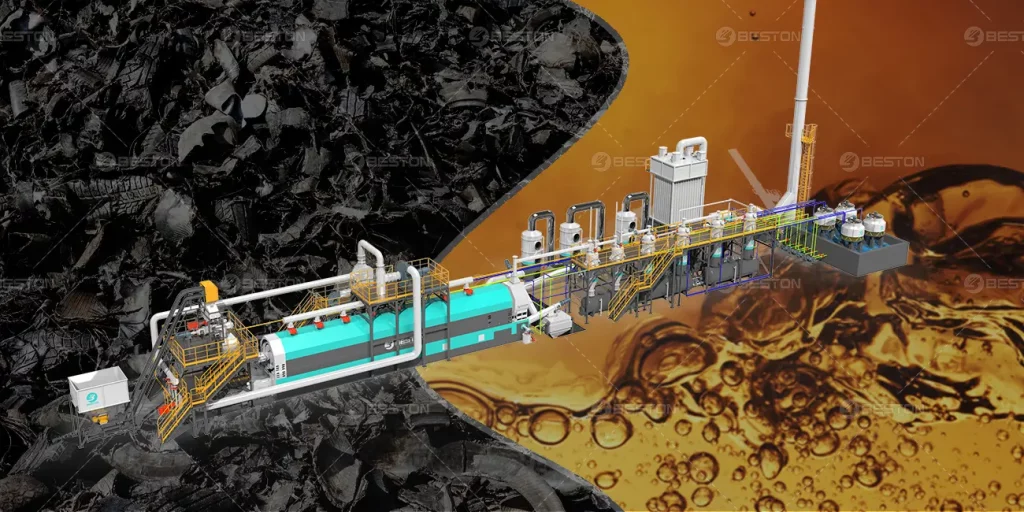
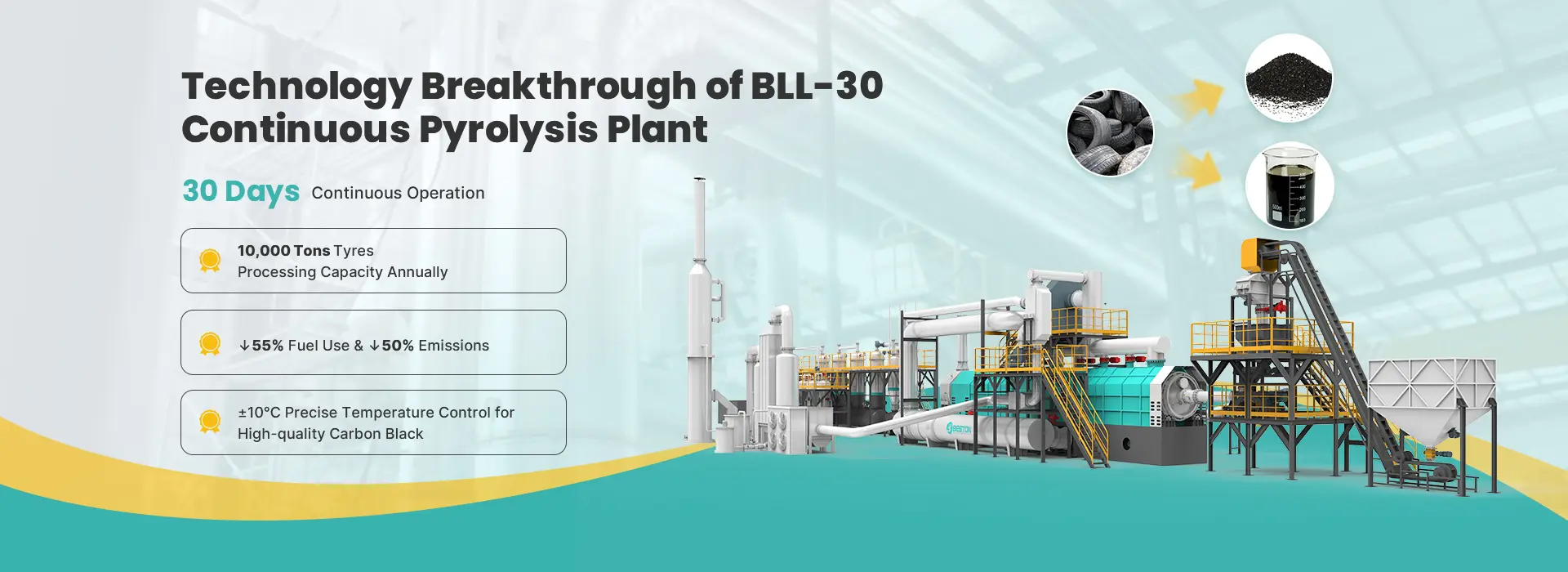
Waste tires are another material that generates a considerable oil output. Specialized tyre pyrolysis equipment can process shredded tires, recovering oil, carbon black, and steel. While the oil yield from tires is slightly lower than that from some plastics, it remains economically viable due to the abundance of scrap tires and the market value of the byproducts. Additionally, tire oil has properties suitable for industrial fuel applications.

Optimizing Pyrolysis Processes

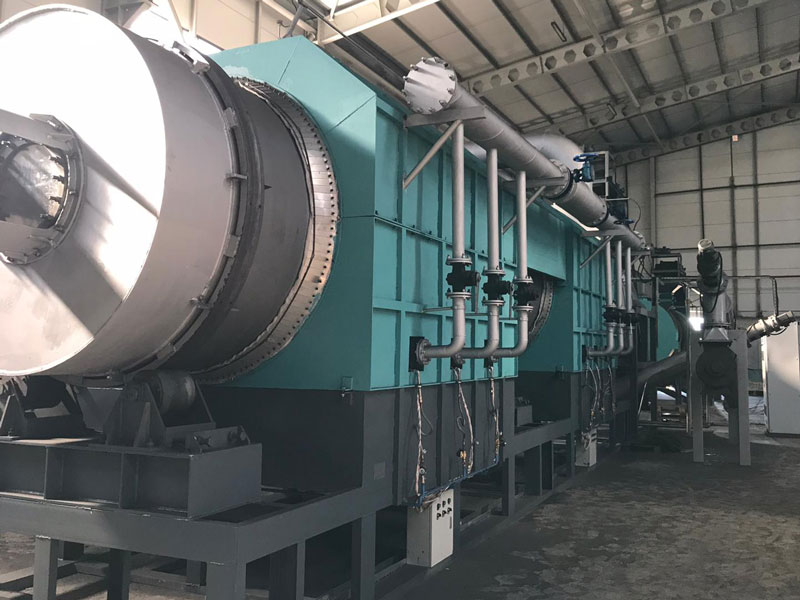
Regardless of the feedstock, optimizing pyrolysis parameters can significantly enhance oil yield. Using advanced pyrolysis equipment with precise temperature control, effective condensers, and efficient gas recycling can improve conversion efficiency. Continuous feeding systems, proper insulation, and controlled heating rates also contribute to maximizing liquid product recovery while minimizing unwanted residues.

Environmental and Economic Considerations

High oil-yielding materials not only offer economic benefits but also environmental advantages. Converting plastics and tires into liquid fuel reduces landfill pressure and limits pollution. Selecting feedstocks that yield more oil can make pyrolysis plants more sustainable, balancing energy recovery with waste management. Operators must also consider the logistics of material collection and processing costs to ensure long-term profitability.

In conclusion, the choice of pyrolysis feedstock is crucial in determining the oil yield. Materials rich in hydrocarbons, such as plastics and tires, generally produce the highest amounts of oil. Properly designed and operated equipment can further enhance recovery, making pyrolysis a viable solution for both waste management and energy production. More in Beston Group.

Evaluating the Financial Investment in a Tire Pyrolysis Plant

The demand for sustainable waste management solutions has led to the proliferation of tire pyrolysis plants. These facilities are designed to convert end-of-life tires into valuable by-products such as oil, carbon black, and steel wire. While the environmental and economic advantages of tire pyrolysis are significant, the financial viability of such an investment hinges on a detailed cost analysis. A thorough understanding of the various factors that contribute to the pyrolysis plant cost is essential for businesses considering this technology.

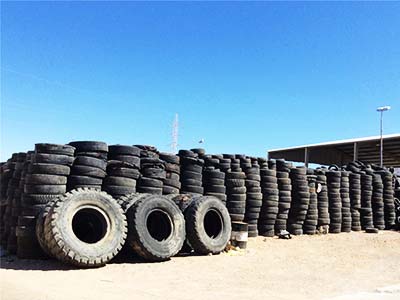
Tyre to Oil Plant

Initial Capital Investment

The primary tire pyrolysis plant cost associated with establishing a tire pyrolysis plant is the initial capital investment. This includes the purchase of the pyrolysis reactor, auxiliary equipment such as condensing systems, material handling systems, and air pollution control devices. Additionally, expenses for land acquisition, facility construction, and site preparation can further elevate the initial investment.

The scale of the plant plays a pivotal role in determining the overall capital expenditure. Larger plants capable of processing higher volumes of tires typically require more expensive machinery and more extensive infrastructure. While the upfront costs are substantial, the return on investment (ROI) can be significant if the plant is designed to operate at maximum capacity for extended periods.

Operational Costs

Once the plant is established, ongoing operational costs must be factored into the financial analysis. The key operational costs include raw material procurement, labor, maintenance, utilities, and waste disposal.

    • Raw Material Procurement: The main raw material for tire pyrolysis reactor is used tires, which are generally inexpensive but can fluctuate in price based on market demand and regional availability. Some plants may have contracts with tire suppliers, which can help stabilize costs. However, sourcing a consistent and affordable supply of tires is crucial for maintaining profitability.
  • Labor: Staffing requirements will vary based on the size and automation level of the plant. Small-scale operations may require fewer personnel, while larger, more complex plants will necessitate a skilled workforce. Labor costs should account for operators, technicians, and maintenance staff. Automation can reduce labor costs but often comes with higher initial capital costs.
  • Maintenance: Regular maintenance of the pyrolysis reactor and associated systems is essential to ensure optimal performance and prevent costly downtimes. Routine inspections, part replacements, and repairs are part of the ongoing operational costs. The complexity of the machinery and the materials processed can influence the frequency and cost of maintenance.
  • Utilities: Pyrolysis is an energy-intensive process, and the consumption of fuel and electricity can account for a significant portion of the operational costs. Some plants utilize the by-products of the pyrolysis process, such as oil and gas, to power the system, which can offset utility expenses. However, the overall energy requirements still need to be carefully managed.
  • Waste Disposal: Even though tire pyrolysis reduces waste significantly, some residual materials, such as unconverted carbon black or non-condensable gases, must be properly disposed of. Depending on local regulations, waste disposal costs may vary. In some cases, the sale of carbon black and other by-products can mitigate these costs.

By-Product Revenue

A major advantage of tire pyrolysis machine is the generation of valuable by-products, which can offset the plant’s operational costs. These by-products include:

  • Pyrolysis Oil: The oil produced during the pyrolysis process has numerous applications, including use as a fuel in industrial boilers, power plants, or as a raw material in the chemical industry. The price of pyrolysis oil fluctuates depending on market conditions, but it remains one of the most significant revenue streams for tire pyrolysis plants.
  • Carbon Black: The carbon black produced is widely used in the production of rubber, plastics, and paints. It can be sold as a high-quality material or processed further into different grades for specific applications. The demand for carbon black is influenced by global industrial needs, and its sale can provide substantial income for the plant.
  • Steel Wire: Tires also contain steel wire, which can be recovered and sold to scrap metal dealers or recycled into new steel products. The value of this steel is subject to market fluctuations, but it remains an important by-product.

The revenue generated from these by-products is a crucial factor in determining the overall profitability of the pyrolysis plant. Higher product yields and favorable market prices can significantly reduce the payback period and increase the plant’s financial return.

ROI and Payback Period

The return on investment (ROI) for a tire pyrolysis machinery is influenced by several factors, including the plant’s scale, operating efficiency, and market conditions. In general, the ROI for tire pyrolysis plants is favorable due to the growing demand for sustainable waste management solutions and valuable by-products.

A key metric to evaluate is the payback period, which represents the time it takes for the plant to recover its initial investment. For most tire pyrolysis plants, the payback period ranges from 2 to 4 years, depending on the plant’s capacity and operational efficiency. Larger plants with higher production capacities typically offer shorter payback periods and greater profit potential. However, careful attention to operational costs and product quality is essential to ensure the projected financial return is realized.

Pyrolysis Plant for Sale

Long-Term Financial Considerations

In addition to the initial investment and ongoing operational costs, there are other financial considerations to take into account when analyzing the cost-effectiveness of a tire pyrolysis plant:

  • Regulatory Compliance: Tire pyrolysis plants are subject to local environmental regulations. Compliance with air quality standards, waste management policies, and emissions controls can result in additional costs for monitoring and maintaining compliance. Failure to meet regulatory requirements can lead to fines or forced shutdowns, which can be costly.
  • Market Fluctuations: The prices of the by-products—such as oil, carbon black, and steel wire—are susceptible to market fluctuations. It is essential to have a diversified customer base and consider long-term contracts to stabilize revenue streams. Additionally, fluctuations in the cost of raw materials (used tires) should be closely monitored.
  • Technological Upgrades: As the technology behind tire pyrolysis continues to evolve, upgrading equipment to improve efficiency and product quality may be necessary over time. While these upgrades come with an initial investment, they can lead to significant cost savings and enhanced profitability in the long run.

In conclusion, while the pyrolysis plant cost may seem substantial at the outset, the long-term financial benefits of a tire pyrolysis plant can make it a highly profitable investment. By carefully considering the capital investment, operational costs, by-product revenue, and ROI, businesses can assess the financial viability of this technology and position themselves to capitalize on the growing demand for sustainable waste management solutions.

Why Use Palm Kernel Shell to Make Charcoal?

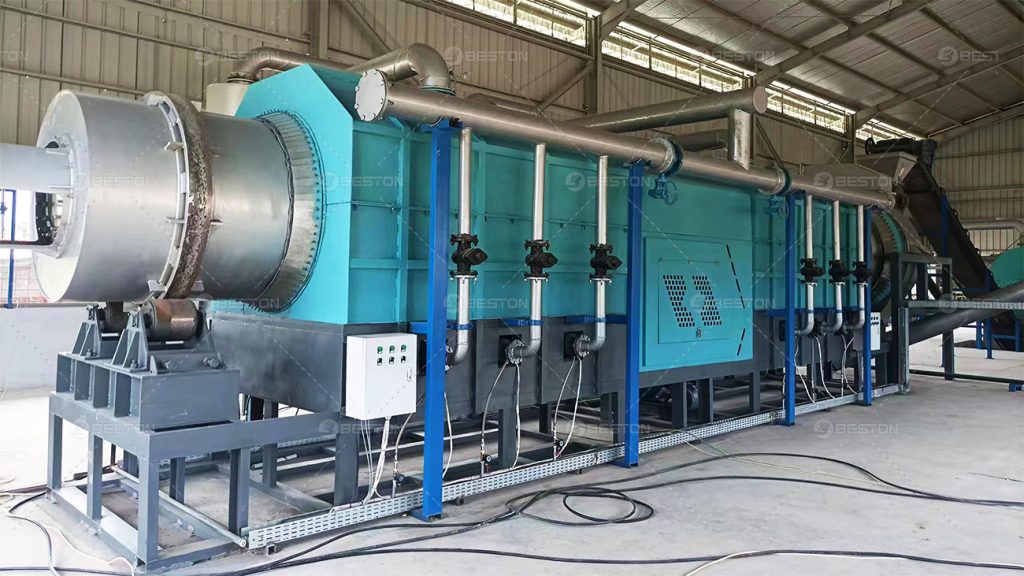
Palm kernel shells, a byproduct of palm oil production, have gained significant attention as a renewable resource for charcoal production. These shells are not only abundant but also offer unique properties that make them highly suitable for conversion into charcoal. Utilizing a palm kernel shell charcoal machine allows for the efficient transformation of this agricultural residue into a valuable product with wide-ranging applications.

Beston Charcoal Making Machine

The Composition of Palm Kernel Shell

Palm kernel shells are dense, fibrous materials derived from the crushing of palm fruit kernels. Their unique composition makes them ideal feedstock for charcoal production:

  • High Carbon Content: The shells are rich in carbon, a key factor in producing high-quality charcoal with excellent energy output.
  • Low Moisture Content: Palm kernel shells typically have low inherent moisture, reducing the need for extensive drying before processing.
  • High Volatility: This characteristic enhances the combustion properties of the resulting charcoal, making it an effective energy source.
  • Uniform Size and Density: Their consistent size and density ensure efficient processing in a palm kernel shell charcoal production machine, minimizing energy consumption and maximizing yield.

Environmental Advantages

1. Waste Valorization

Palm kernel shells are often discarded as agricultural waste, leading to disposal challenges and environmental pollution. Converting these shells into charcoal through pyrolysis provides an environmentally friendly solution by:

  • Reducing waste accumulation.
  • Diverting organic material from landfills.
  • Mitigating the release of methane, a potent greenhouse gas, from decomposing shells.

This process aligns with circular economy principles, turning waste into a sustainable resource.

2. Carbon Neutrality

Palm kernel shells are a renewable resource, and their use in charcoal production is considered carbon-neutral. The carbon dioxide released during the combustion of charcoal made from palm kernel shells is offset by the carbon absorbed by the palm plants during their growth. This contrasts with fossil fuels, which contribute to net increases in atmospheric carbon dioxide.

PKS to PKS Charcoal

Economic Benefits

1. Abundant and Low-Cost Feedstock

Palm kernel shells are a byproduct of the palm oil industry, which is prevalent in regions such as Southeast Asia, Africa, and South America. Their abundance ensures a steady and low-cost supply of raw material for biomass carbonization machine, making it an economically viable option for industries and small-scale operators alike.

2. High Market Demand

Charcoal derived from palm kernel shells has diverse applications, including:

  • Energy Production: Used as an industrial fuel in cement, steel, and power generation sectors.
  • Activated Carbon: Palm kernel shell charcoal is processed into activated carbon for water purification and air filtration applications.
  • Household Use: High-quality charcoal is a preferred fuel for cooking and heating, especially in regions where conventional energy sources are limited or expensive.

Technological Advancements in Charcoal Production

The advent of modern palm kernel shell charcoal machines has revolutionized the production process. These machines are designed to operate efficiently and sustainably, incorporating advanced features such as:

  • Continuous Operation: Ensures consistent production rates and minimizes downtime.
  • Energy Recovery Systems: Captures and utilizes heat generated during pyrolysis, improving energy efficiency.
  • Emission Control: Equipped with gas scrubbers and filters to minimize environmental pollution.

Such advancements not only enhance the economic viability of charcoal production but also ensure compliance with environmental standards. If you would like to obtain a solution for producing clean palm kernel shell charcoal, please consult Beston China.

Superior Properties of Palm Kernel Shell Charcoal

Charcoal made from palm kernel shells exhibits superior properties compared to other biomass-based charcoals:

  • High Energy Density: The charcoal’s high fixed carbon content ensures longer burn times and greater energy output.
  • Low Ash Content: This results in cleaner combustion, reducing maintenance requirements for equipment and stoves.
  • Durability: Palm kernel shell charcoal is dense and less prone to crumbling, making it easier to transport and store.

These attributes make it a preferred choice for both industrial and domestic applications.

Advantages of Pulp Molding Machine for Producing Tableware

In the quest for sustainable solutions to combat environmental degradation, pulp molding machines have emerged as pivotal technology in the production of eco-friendly tableware. As the world grapples with the adverse effects of plastic pollution, the demand for biodegradable and compostable products is surging. Pulp molding machines, designed to convert waste paper into durable, biodegradable tableware, offer a compelling alternative to traditional plastic and foam-based products. This article explores the multifaceted advantages of using a pulp molding machine for producing tableware, emphasizing its environmental, economic, and technological benefits.

Understanding Pulp Molding Technology

The Pulp Molding Process

Beston pulp molding involves converting waste paper into various shapes and products using a specialized molding machine. The process can be broken down into several key stages:

    1. Pulp Preparation: Waste paper is collected and broken down into a slurry through the addition of water and chemicals. The slurry is then refined and cleaned to remove impurities.
    2. Molding: The prepared pulp is fed into a mold where it takes the desired shape. Vacuum suction and high pressure are applied to remove excess water, solidifying the shape of the product.
  1. Drying: The molded products are dried using thermal energy to evaporate any remaining moisture. This step ensures the products maintain their shape and structural integrity.
  2. Trimming and Finishing: The dried products are trimmed and polished to achieve the desired aesthetic and functional quality.

Key Products and Applications

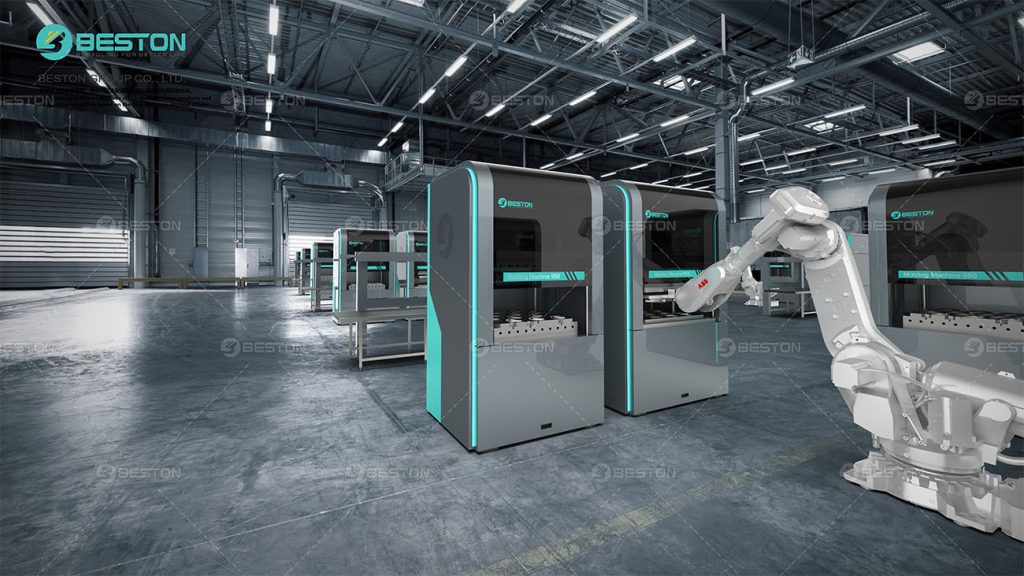
Pulp molding machines are versatile and can produce a wide range of tableware products, including plates, bowls, cups, and trays. These products are highly sought after in various sectors, such as food service, catering, and retail, due to their biodegradability and environmental friendliness.

Environmental Advantages

Reduction of Plastic Waste

One of the most significant benefits of using pulp molding machine for tableware production is the reduction of plastic waste. Traditional plastic and foam-based tableware contribute significantly to environmental pollution, taking hundreds of years to decompose. In contrast, pulp-molded products are biodegradable and compostable, breaking down naturally in a matter of months. By replacing plastic with pulp-based products, businesses and consumers can significantly reduce their ecological footprint.

Sustainable Raw Material Utilization

Pulp molding technology utilizes waste paper as its primary raw material, promoting recycling and waste reduction. This process not only diverts paper waste from landfills but also conserves natural resources by reducing the demand for virgin paper. The sustainable sourcing of raw materials makes pulp molding a key player in the circular economy, where resources are reused and recycled to minimize waste.

Lower Carbon Emissions

The production of pulp-molded tableware is associated with lower carbon emissions compared to plastic manufacturing. The energy-intensive processes of plastic production, such as petrochemical refining and polymer synthesis, release substantial amounts of greenhouse gases. Pulp molding, on the other hand, relies on renewable energy sources and efficient drying systems to minimize its carbon footprint, contributing to the fight against climate change.

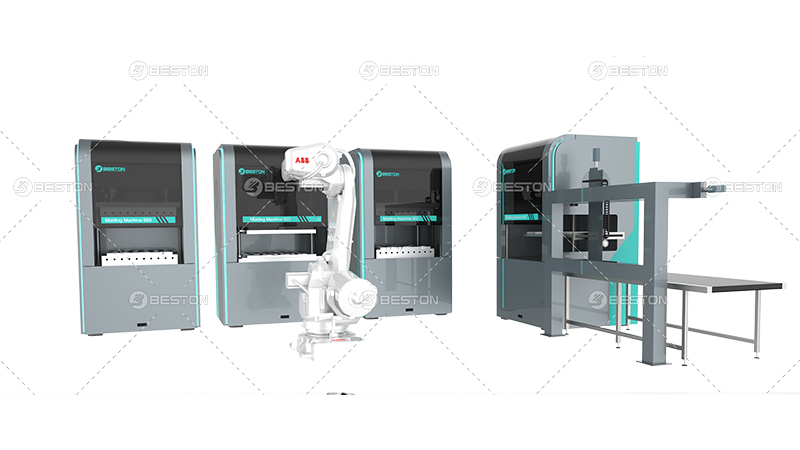
BCB-950s Automatic-Pulp-Molding-Tableware-Machine

Economic Advantages

Cost-Effective Production

Pulp molding machines offer cost-effective production by utilizing low-cost raw materials and efficient manufacturing processes. The abundance of waste paper as a feedstock ensures a stable and economical supply chain, reducing production costs. Additionally, the automated nature of modern pulp molding machines minimizes labor requirements, further enhancing cost-efficiency.

High-Volume Production Capability

Pulp molding machines are designed for high-volume production, making them ideal for meeting the growing demand for sustainable tableware. The ability to produce large quantities of products in a short period allows manufacturers to scale their operations and capture a significant share of the market. This scalability is essential for businesses looking to expand their product offerings and increase profitability.

Market Opportunities

The increasing consumer preference for sustainable products presents lucrative market opportunities for pulp-molded tableware. Businesses that adopt pulp molding technology can differentiate themselves by offering eco-friendly alternatives that align with consumer values. The versatility of paper tray making machine also enables manufacturers to produce customized products for specific markets, catering to diverse customer needs and preferences.

Technological Advantages

Advanced Molding Techniques

Modern pulp molding machines employ advanced techniques to ensure precision and consistency in product quality. Computer-aided design (CAD) and computer-aided manufacturing (CAM) technologies enable the creation of intricate molds that produce high-quality tableware with superior aesthetic appeal and functionality. This precision ensures that pulp-molded products can compete with their plastic counterparts in terms of performance and appearance.

Automation and Process Control

Automation plays a critical role in enhancing the efficiency and reliability of pulp molding operations. Automated systems streamline the entire production process, from pulp preparation to product finishing, reducing human intervention and minimizing the risk of errors. Real-time process control and monitoring ensure that production parameters are optimized for maximum yield and quality.

Energy Efficiency

Energy efficiency is a key focus in the design of modern pulp molding machines. By incorporating energy-saving technologies, such as heat recovery systems and optimized drying processes, manufacturers can reduce energy consumption and lower operational costs. This energy efficiency not only contributes to environmental sustainability but also enhances the overall competitiveness of pulp molding operations.

Beston-Automatic-Pulp-Molding-Tableware-Machine

Challenges and Considerations

Raw Material Quality

The quality of raw materials can significantly impact the performance and output of pulp molding machines. Impurities and contaminants in the waste paper can affect the strength and appearance of the final product. Manufacturers must implement rigorous quality control measures to ensure that the feedstock meets the required standards for pulp molding.

Technological Investment

While pulp molding machines offer numerous advantages, the initial investment in advanced machinery and technology can be substantial. Businesses must weigh the long-term benefits against the upfront costs to determine the feasibility of adopting pulp molding technology. Government incentives and subsidies for sustainable manufacturing can help offset these costs and encourage adoption.

Market Competition

As the demand for eco-friendly products grows, competition in the pulp-molded tableware market is intensifying. The pulp molding machine manufacturers must continuously innovate and improve their product offerings to stay ahead of the competition. Building strong relationships with distributors and retailers, as well as investing in branding and marketing efforts, can help businesses establish a competitive edge in the market.

Conclusion

Pulp molding machines offer a compelling solution for producing sustainable tableware that meets the demands of environmentally conscious consumers. By leveraging the environmental, economic, and technological advantages of pulp molding technology, businesses can enhance their competitiveness and contribute to a more sustainable future. As the world continues to prioritize sustainability, the adoption of pulp molding machines for tableware production is poised to play a pivotal role in the transition towards a circular economy and a greener planet.

Plastic Recycling: Catalyst for CSR and ESG Advancement

In recent years, the global discourse on corporate social responsibility (CSR) and environmental, social, and governance (ESG) criteria has intensified, spurred by heightened awareness of sustainability challenges. Among these challenges, plastic pollution stands out as a pressing issue with profound implications for both the environment and society. As businesses navigate their roles in a sustainable future, plastic recycling has emerged as a pivotal area where CSR and ESG initiatives can make a tangible impact. Know about details with Beston Group Co., Ltd.

The Urgency of Plastic Pollution

Plastic, ubiquitous in modern life due to its convenience and versatility, poses significant environmental threats. From oceans choked with plastic debris to microplastics infiltrating ecosystems and food chains, the consequences of unchecked plastic consumption are far-reaching. Moreover, the production of virgin plastic compounds these issues, contributing to greenhouse gas emissions and resource depletion.

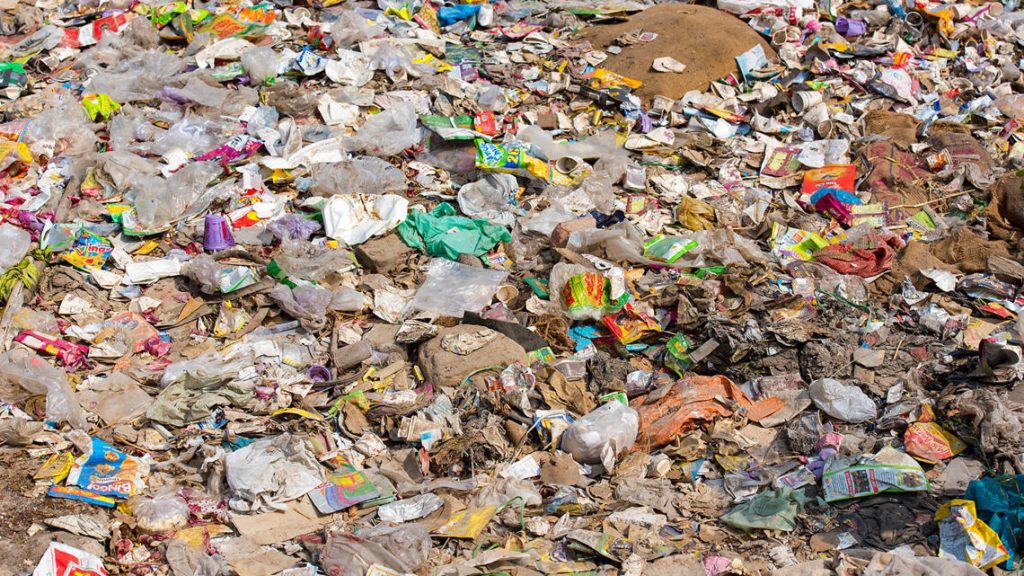
Plastic Pollution

Corporate Responsibility in Plastic Recycling

CSR compels businesses to acknowledge and mitigate their environmental footprint, making plastic recycling a crucial area of focus. By embracing responsible recycling practices, companies can mitigate the environmental impact of their operations and products. This entails not only recycling plastic waste generated internally but also promoting recycling among consumers and throughout their supply chains. Plastic to fuel machine is a solution for enterprises.

Advancing ESG Goals Through Plastic Recycling

ESG criteria evaluate a company’s sustainability performance and societal impact. Effective plastic recycling aligns closely with ESG goals in several ways:

  1. Environmental Impact Reduction: Turning plastic into fuel reduces the demand for virgin plastic, conserving natural resources and lowering greenhouse gas emissions associated with plastic production.
  2. Social Responsibility: Engaging in recycling initiatives can enhance a company’s reputation and foster goodwill among stakeholders, including employees, customers, and communities affected by plastic pollution.
  3. Governance and Transparency: Transparent reporting on recycling efforts demonstrates commitment to sustainable practices, enhancing trust and accountability.

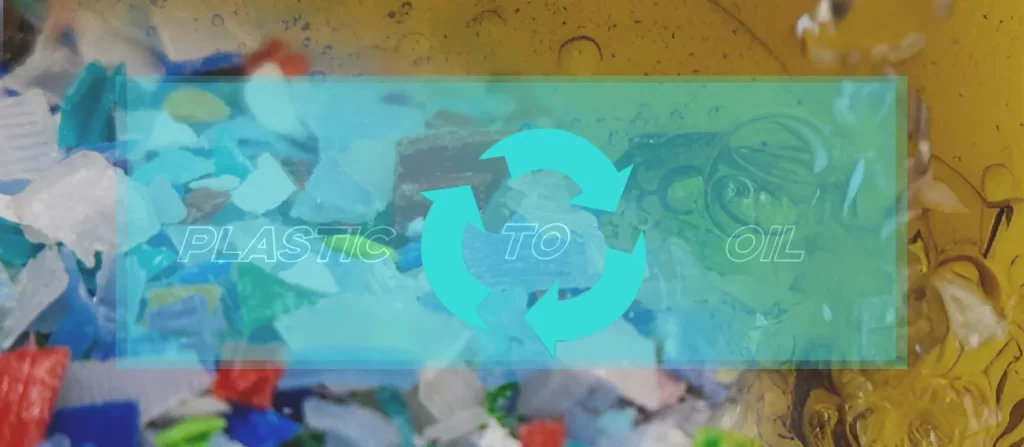
Turn Plastic to Oil

Best Practices in Corporate Plastic Recycling Initiatives

Implementing robust plastic recycling initiatives requires a strategic approach:

  • Internal Recycling Programs: Establish systems to collect, sort, and recycle plastic waste generated within company operations.
  • Supplier Engagement: Collaborate with suppliers to reduce plastic packaging and enhance recyclability.
  • Consumer Education: Educate consumers on proper plastic disposal and promote the use of recycled plastic products.
  • Innovation and Collaboration: Invest in research and development of sustainable packaging alternatives and collaborate with industry peers and stakeholders to scale recycling infrastructure.

Create A World Free of Plastic Pollution Together

As businesses navigate the complexities of sustainability in a globalized world, plastic recycling emerges as a potent tool for advancing CSR and ESG goals. By prioritizing responsible recycling practices, companies not only mitigate environmental impact but also bolster their reputations and contribute to a more sustainable future. Embracing the challenge of plastic pollution through comprehensive recycling initiatives underscores a commitment to both corporate responsibility and long-term value creation, ensuring a legacy of positive impact for generations to come. Get consultation service about Beston pyrolysis plant!

Revolutionizing Tire Disposal: The Promise of Waste Tyre Pyrolysis Plants

The global automotive industry is on an upward trajectory, with an increasing number of vehicles hitting the roads every year. While this surge in mobility has brought convenience and economic growth, it has also led to a significant environmental challenge: the disposal of end-of-life tires. Each year, billions of tires reach the end of their lifespan, posing a major waste management issue. However, amidst this challenge, a promising solution is emerging – waste tyre pyrolysis plants.

Waste tyre pyrolysis is a process that converts end-of-life tires into valuable products such as fuel oil, carbon black, and steel through thermal decomposition in the absence of oxygen. This innovative technology not only offers an environmentally sustainable solution to tire disposal but also presents economic opportunities and resource recovery benefits.

One of the most compelling advantages of waste tyre pyrolysis plant is their ability to address the growing problem of tire waste accumulation. Traditional methods of tire disposal, such as landfilling or incineration, are not only environmentally harmful but also inefficient in utilizing the valuable resources present in tires. Pyrolysis plants provide a viable alternative by converting tires into useful products, thereby reducing the burden on landfills and minimizing environmental pollution.

Moreover, waste tyre pyrolysis plants contribute to resource conservation and energy recovery by converting tires into valuable commodities. The fuel oil produced through pyrolysis can be used as a substitute for conventional fuels such as diesel or industrial fuel, reducing the demand for fossil fuels and mitigating their environmental impact. Additionally, the carbon black generated during the process can be utilized as a valuable additive in various industries, including rubber manufacturing, construction, and automotive.

From an economic perspective, waste tyre pyrolysis plants offer a lucrative opportunity for investment and entrepreneurship. With the increasing demand for sustainable waste management solutions, the market for pyrolysis technology is expanding rapidly. Entrepreneurs and investors can capitalize on this growing market by establishing pyrolysis plants, which not only generate revenue from the sale of end products but also create employment opportunities and contribute to economic growth. More information on continuous tyre pyrolysis plant here.

Furthermore, waste tyre pyrolysis plants play a crucial role in promoting the circular economy by closing the loop on tire materials. Instead of viewing tires as disposable waste, pyrolysis plants enable their transformation into valuable resources, thereby extending their lifecycle and reducing the need for virgin materials. This not only conserves natural resources but also reduces the environmental footprint associated with tire production and disposal.

Despite the numerous benefits of tyre to oil plant, several challenges remain to be addressed for widespread adoption and scalability. Technological advancements are needed to improve the efficiency and reliability of pyrolysis processes, as well as to enhance the quality and marketability of end products. Additionally, regulatory frameworks and policy support are essential to incentivize investment in pyrolysis infrastructure and ensure environmental sustainability.

In conclusion, waste tyre pyrolysis plants represent a promising solution to the growing problem of tire waste disposal, offering environmental, economic, and social benefits. By converting end-of-life tires into valuable resources, pyrolysis technology helps mitigate environmental pollution, conserve natural resources, and promote the circular economy. However, realizing the full potential of waste tyre pyrolysis requires collaborative efforts from governments, industries, and stakeholders to overcome existing challenges and embrace sustainable waste management practices. Get eco-solution from Beston.

Agricultural Waste Recycling Methods : Charcoal Making

Introduction

In the contemporary landscape of environmental sustainability, the recycling of agricultural waste emerges as a critical facet in waste management. This article delves into the intricacies of one such method – charcoal making. From its historical evolution to the modern precision of advanced machines, we explore the transformative potential of converting agricultural residues such as straw, rice husk, and jute stick into valuable charcoal.

Key Agricultural Residues

Exploring the Potential of Straw

Traditionally seen as mere remnants of grain harvesting, straw is redefining its role in agriculture. Its fibrous structure, rich in cellulose, makes it an ideal candidate for advanced charcoal making. This section unravels the layers of potential within straw, turning what was once considered waste into a valuable resource.

Harnessing Energy from Rice Husk

In regions abundant with rice cultivation, the sheer volume of rice husk generated presents an untapped reservoir of energy. Recognized for its high calorific value and silica-rich composition, rice husk takes center stage in the realm of advanced charcoal making. We delve into the unique attributes that make rice husk a valuable feedstock in this process.

Jute Stick’s Role in Lignocellulosic Transformation

Agricultural residues, often overlooked, include the lignocellulosic marvel – jute stick. This section explores the intricate composition of jute stick and how advanced charcoal making machines tailor their processes to extract maximum value. From overlooked remnants to a key player in sustainable waste management, jute stick’s journey is unveiled.

Agriculture Waste into Charcoal

Advanced Charcoal Making Machines

Precision in Charcoal Production

At the heart of this transformative process lies the advanced charcoal making machine. This section delves into the technological precision of these machines, orchestrating the controlled conversion of agricultural residues into high-quality charcoal. The marriage of engineering and agriculture unfolds in a symphony of efficiency.

The Straw Charcoal Machine: A Focus on Efficiency

Tailored for the unique characteristics of straw, the straw charcoal machine optimizes the pyrolysis process. Efficiency takes the forefront as this specialized apparatus ensures maximal yield while minimizing energy consumption. The intricate dance between technology and agricultural residue sets a benchmark for precision in waste recycling.

Optimizing Energy Output with Rice Husk Charcoal Machine

For the copious amounts of rice husk awaiting purposeful utilization, the rice husk charcoal machine emerges as a game-changer. This section explores how these machines are designed to accommodate the specific traits of rice husk, extracting maximum energy output while adhering to the principles of sustainability and environmental responsibility.

Crafting Value from Lignocellulose: Jute Stick Charcoal Machine

In the intricate dance of agricultural waste transformation, the jute stick charcoal machine takes center stage. Engineered to navigate the complex lignocellulosic structure of jute stick, this machine ensures that no potential energy remains untapped. The section explores how this technological marvel contributes to the circular economy.

Pyrolysis Process

Pyrolysis Unveiled: Chemical Symphony

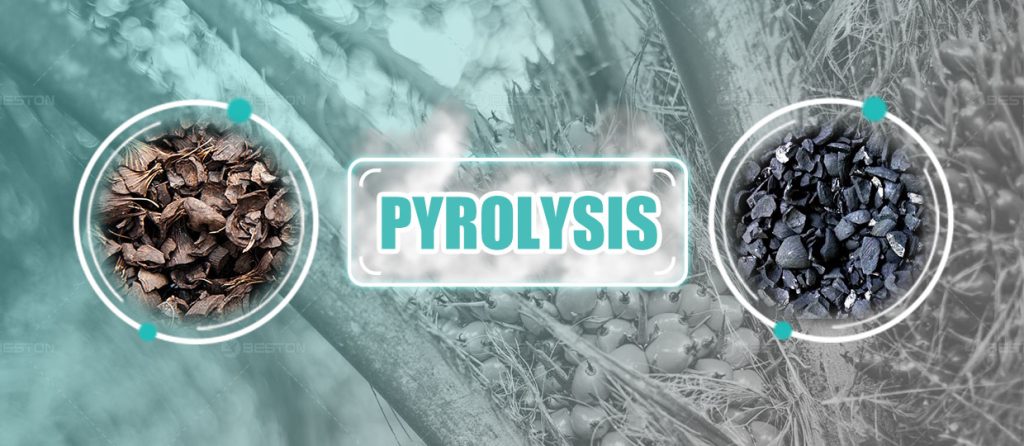
The essence of charcoal making lies in the pyrolysis process. This section unveils the chemical symphony as straw, rice husk, and jute stick undergo controlled heating. Cellulose, hemicellulose, and lignin break down meticulously, giving rise to a carbon-rich residue – the coveted charcoal. Precision in pyrolysis defines the quality of the end product.

Temperature Dynamics: The Crucial Control in Charcoal Making

Temperature control within the biomass pyrolysis plant is not merely a detail but a crucial determinant of the end product’s quality. This section explores the delicate balance of heat required to ensure the optimal degradation of organic compounds. From controlled temperatures to desirable charcoal characteristics, every degree plays a role in this intricate process.

Environmental Impact

Carbon Neutrality: A Green Footprint

Beyond the intricacies of machinery and pyrolysis, the environmental impact of charcoal making from agricultural waste cannot be overstated. This section explores how the resulting charcoal, when used as a fuel source, maintains a near carbon-neutral footprint. This contribution aligns with global efforts to combat climate change through sustainable waste utilization.

Economic Viability: Turning Waste into Wealth

The economic viability of advanced charcoal making machines lies not only in waste reduction but also in the creation of a new revenue stream. This section delves into how agricultural residues, once considered liabilities, are now valuable commodities. The transformation from waste to wealth marks a paradigm shift in resource utilization.

Challenges in Charcoal Making

Technical Challenges: Fine-Tuning Precision

While these advanced machines represent a remarkable leap forward in agricultural waste recycling, technical challenges persist. This section explores the ongoing frontier of fine-tuning the intricacies of charcoal making machines, especially when dealing with diverse feedstock compositions. Precision in technology becomes a key aspect of maximizing efficiency.

Market Dynamics: Bridging Traditional Practices and Innovation

The acceptance and widespread adoption of advanced charcoal making machines hinge on cultivating awareness within the market. This section discusses the challenges of bridging the gap between traditional agricultural practices and innovative waste recycling solutions. Strategic interventions are necessary to highlight the economic, environmental, and operational benefits. Therefore, it is particularly critical to find a reliable charcoal making machine manufacturer. Here is a suggestion to make Beston Group your first choice.

Future Prospects

Advancing Precision in Charcoal Making

As technology continues to evolve, this section explores the future prospects of advancing precision in charcoal making. Fine-tuning machines to accommodate variations in feedstock composition and ensuring optimal efficiency remain areas of ongoing research and development. The quest for precision paves the way for a more impactful role of charcoal making in waste recycling.

Cultivating Awareness for Market Acceptance

Market acceptance is pivotal for the success of any sustainable initiative. This section discusses the future prospects of cultivating awareness about advanced charcoal making methods. Fostering a widespread understanding of the benefits and overcoming traditional preferences for conventional energy sources are challenges that require strategic interventions for broader market acceptance.

Potential of Agricultural Waste Biomass Pyrolysis Project in Colombia

Conclusion

In recapitulation, this article has traversed the landscape of agricultural waste recycling methods, focusing on the intricate process of charcoal making. From the overlooked residues of straw, rice husk, and jute stick to the precision of advanced machines, the transformative journey towards sustainable waste management has been unveiled. As we stand on the cusp of a new era, the amalgamation of technology and nature in charcoal making signifies a paradigm shift towards a more sustainable future.

Unveiling the Mystique: The Craft of Charcoal Making

In the world of sustainable practices and resourceful utilization, the art of charcoal making stands as a venerable craft, weaving together tradition and innovation. Beneath the seemingly humble surface lies a process laden with intricacies, transforming raw materials into the timeless fuel that has been a companion to humanity for centuries.

The Alchemy of Charcoal Making

A Fiery Genesis: Pyrolysis Unveiled

At the heart of charcoal making lies pyrolysis, a transformative process where wood, agricultural residues, or even coconut shells undergo a metamorphosis in the absence of oxygen. This controlled decomposition results in the expulsion of volatile compounds, leaving behind the carbon-rich essence we know as charcoal. The alchemy of pyrolysis is where the journey from raw material to fuel begins. The charcoal making machine is used to make charcoal.

Charcoal Making Machine and Final Products

Kiln Chronicles: Furnaces of Transformation

Within the craft, the kiln emerges as a central protagonist—a furnace where the raw materials face the crucible of heat. The kiln, be it traditional or modern, becomes the stage for the slow dance of pyrolysis, orchestrating the delicate balance of temperature and time. This is where the craft of charcoal making transcends mere science and embraces the nuances of an art form.

The Symphony of Raw Materials

Timber Tales: Wood as the Protagonist

In the annals of charcoal making, wood stands as the primary protagonist. The selection of timber is a nuanced decision, with different wood species imparting distinct flavors to the charcoal. From the smoky richness of mesquite to the subtle sweetness of fruitwood, each timber has its tale to tell within the symphony of charcoal making. More information on biochar machine here.

Residues Rewritten: Agricultural Waste and Beyond

The craft extends its embrace beyond wood, welcoming agricultural residues into its repertoire. Coconut shells, corn cobs, or even rice husks, each bears the potential to be reborn through pyrolysis. The utilization of these residues not only adds diversity to the craft but also repurposes materials that might otherwise be deemed waste.

Artisanal Techniques: From Tradition to Innovation

Ancient Wisdom: Traditional Charcoal Pits

In the realm of charcoal making, traditional charcoal pits exude an aura of ancient wisdom. Dug into the earth, these pits harness the power of the elements, utilizing the natural insulation of soil to regulate temperature. The slow, unhurried pace of this method imparts a unique character to the charcoal, embodying the spirit of time-honored craftsmanship.

Modern Marvels: Retorts and Continuous Pyrolysis

As the craft evolves, modern techniques weave themselves into the narrative. Retorts, with their enclosed chambers and efficient heat recovery, exemplify technological progress. Continuous pyrolysis systems bring a sense of automation, ensuring a steady output without sacrificing the essence of the craft. These innovations herald a new chapter in the history of charcoal making. See the biochar production equipment here.

Quality Charcoal: The Culmination of Craftsmanship

Charcoal Grading: A Fine Balance

Just as a connoisseur savors the nuances of wine, charcoal making artisans delve into the art of grading. From lump charcoal to briquettes, each variety caters to a specific purpose. The balance between density, carbon content, and burn time becomes a hallmark of quality craftsmanship.

Smoke Signals: The Aromas of Charcoal

In the world of culinary arts, the aromas of charcoal play a pivotal role. The type of wood, the nuances of pyrolysis, and even the residual flavors from the raw materials—all contribute to the symphony of scents that elevate the culinary experience. The craft of charcoal making, in essence, becomes a silent collaborator in the gastronomic journey.

Sustainability in the Embrace of Charcoal Making

Eco-friendly Charcoal: Turning Over a Green Leaf

As environmental consciousness takes center stage, charcoal making is not exempt from the imperative to be eco-friendly. Sustainable practices, from responsibly sourcing wood to utilizing agricultural waste, become guiding principles. The craft becomes a steward of the environment, proving that tradition and innovation can coexist in harmony.

Carbon Sequestration: A Hidden Benefit

Beyond its role as a fuel, charcoal becomes an unexpected ally in the fight against climate change. The carbon-rich essence of charcoal, when returned to the soil, becomes a form of carbon sequestration. The craft of charcoal making, often underestimated in its ecological significance, takes on a new dimension as a contributor to environmental balance. Visit the Beston Group here.

Conclusion: Crafting a Sustainable Legacy

As we traverse the realm of charcoal making, the craft unveils itself as more than a means to an end. It is a cultural tapestry woven through time, connecting traditions and innovations. From the ancient wisdom of traditional pits to the efficiency of modern retorts, each method leaves its imprint on the charcoal produced. The craft, in its entirety, becomes a legacy—a sustainable legacy that transcends generations, leaving an indelible mark on both the environment and human ingenuity.

Art of Pyrolysis Transformation: Unveiling the Potential in Four Raw Materials

In the relentless pursuit of sustainable solutions, the alchemy of pyrolysis stands as a beacon of innovation. This arcane process, shrouded in scientific intricacies, holds the key to unlocking the latent energy in diverse raw materials. Today, we embark on a journey into the world of pyrolysis, exploring its transformative prowess on four distinct raw materials: plastics, tires, oil sludge, and rubber.

Plastic Pyrolysis Machine: Reshaping the Fate of Polymers

At the nucleus of the pyrolysis revolution lies the enigmatic plastic pyrolysis machine, a technological marvel designed to metamorphose discarded plastics into a liquid goldmine—oil. Plastics, notorious for their environmental persistence, find redemption in the intense heat and absence of oxygen within these plants.

The symphony begins as plastics, ranging from ubiquitous polyethylene to resilient polypropylene, undergo thermal degradation. The controlled environment of the plastic pyrolysis plant orchestrates the breakdown of polymer chains into a volatile concoction of hydrocarbons. Through meticulous condensation, this vapor transforms into a liquid, resembling a crude oil distillate rich in potential.

1Plastic-to-Oil-Machine

Tyre Pyrolysis Plant: Reinventing the Wheel of Sustainability

As we shift our focus from plastics to the rubber domain, the tyre pyrolysis plant takes center stage. Discarded tires, a ubiquitous byproduct of our vehicular culture, metamorphose from environmental liabilities to renewable resources within the confines of this specialized pyrolysis apparatus.

Tires, composed of complex rubber compounds and steel reinforcements, undergo a transformative journey. The intense heat of the tyre pyrolysis plant prompts the rubber to decompose, releasing valuable hydrocarbons. Moreover, the steel reinforcements, liberated from their rubber encasings, emerge as recyclable byproducts. Thus, through pyrolysis, discarded tires find a second life as fuel and reusable materials.

Oil Sludge Pyrolysis Plant: Tackling Environmental Quagmires

Amidst the quagmire of oil production, oil sludge pyrolysis plant emerges as eco-saviors, addressing the environmental aftermath of oil extraction. Oil sludge, a byproduct laden with hydrocarbons, heavy metals, and contaminants, transforms from a liability to a resource through the intricate dance of pyrolysis.

The process unfolds as oil sludge, replete with complex compounds, is subjected to high temperatures within the pyrolysis plant. The heat triggers the disintegration of organic components, liberating hydrocarbons that condense into valuable oil. Simultaneously, the plant captures and addresses environmental contaminants, providing a dual-edged solution to the oil industry’s environmental conundrums.

Final Product of Oil Sludge Pyrolysis

Rubber Pyrolysis Plant: Breathing New Life into Elasticity

Venturing into the realm of synthetic rubber, the rubber pyrolysis plant exemplifies the circular economy’s ethos, offering a sustainable alternative to the end-of-life fate of rubber products. Discarded rubber items, from conveyor belts to industrial seals, find rejuvenation through the transformative powers of pyrolysis.

The rubber pyrolysis plant subjects rubber products to intense heat, prompting the breakdown of polymer chains into valuable hydrocarbons. This resultant liquid, akin to crude oil, becomes a versatile raw material for fuel production. In this way, synthetic rubber products, once condemned to landfills, become valuable contributors to the energy landscape.

Mobile Biochar Machines: Unlocking Sustainable Agriculture on the Go

In a world where sustainable agriculture is gaining paramount importance, innovative solutions are emerging to address the need for soil enrichment, carbon sequestration, and waste utilization. One such groundbreaking innovation is the mobile biochar machine, a versatile and eco-friendly technology that is transforming the agricultural landscape. In this comprehensive 1500-word post, we will explore the concept of mobile biochar machine, their functionality, environmental benefits, applications, and their role in shaping a more sustainable future for agriculture.

Deliver BST-05pro Mobile Biochar Machine to the USA in 2022

The Soil Enrichment Challenge

The foundation of productive agriculture lies in fertile soil. However, continuous farming practices have led to soil degradation. This chapter introduces the critical issue of declining soil fertility and highlights the role of biochar in soil enrichment.

Biochar Basics

Before delving into biochar equipment, it’s essential to understand the fundamentals of biochar. This chapter explains what biochar is, how it’s made, and why it’s an attractive solution for soil improvement.

Enter the Mobile Biochar Machine

Mobile biochar machines bring the benefits of biochar production directly to the field. This chapter provides an in-depth look at the design and functionality of these portable units, including their size, mobility, and the processes involved in converting biomass into biochar.

Beston Mobile Biochar Making Machine for Sale

Biochar Production On-Site

One of the key advantages of mobile biochar machines is the ability to produce biochar on-site. This chapter explores the advantages of this decentralized approach, including reduced transportation costs and increased efficiency.

Environmental Benefits

Mobile biochar machines are celebrated for their environmental benefits. This chapter delves into these advantages, including carbon sequestration, reduced greenhouse gas emissions, and improved waste utilization.

Applications in Agriculture

The primary purpose of mobile biochar machines is to enhance agricultural practices. This chapter highlights various applications of biochar in agriculture, including improved crop yields, nutrient retention, and water management. Contact a biochar machine manufacturer to learn about the solution.

A Tool for Climate Change Mitigation

Given the urgency of climate change, this chapter discusses how mobile biochar machines contribute to mitigating its effects by sequestering carbon and reducing the carbon footprint of agriculture.

Challenges and Solutions

No technology is without its challenges. This chapter addresses common issues associated with mobile biochar machines, such as feedstock availability and scalability, and explores potential solutions.

Success Stories

Real-world examples demonstrate the effectiveness of mobile biochar machines. This chapter showcases success stories from farmers and organizations that have incorporated this technology into their agricultural practices.

Future Prospects

As the agriculture industry continues to evolve, so does the potential of mobile biochar machines. This chapter explores future trends, including technological advancements and potential policy support.

Conclusion: Cultivating Sustainable Agriculture

In conclusion, mobile biochar machines represent a significant leap toward sustainable agriculture. If you wanna watch more videos, view https://www.youtube.com/@bestongroup_. These portable units empower farmers to enrich their soils, reduce waste, and combat climate change, all while increasing crop yields and profitability. As the world faces the challenges of a growing population and changing climate, mobile biochar machines offer a beacon of hope for a more sustainable and food-secure future.