In recent years, the global discourse on corporate social responsibility (CSR) and environmental, social, and governance (ESG) criteria has intensified, spurred by heightened awareness of sustainability challenges. Among these challenges, plastic pollution stands out as a pressing issue with profound implications for both the environment and society. As businesses navigate their roles in a sustainable future, plastic recycling has emerged as a pivotal area where CSR and ESG initiatives can make a tangible impact. Know about details with Beston Group Co., Ltd.
The Urgency of Plastic Pollution
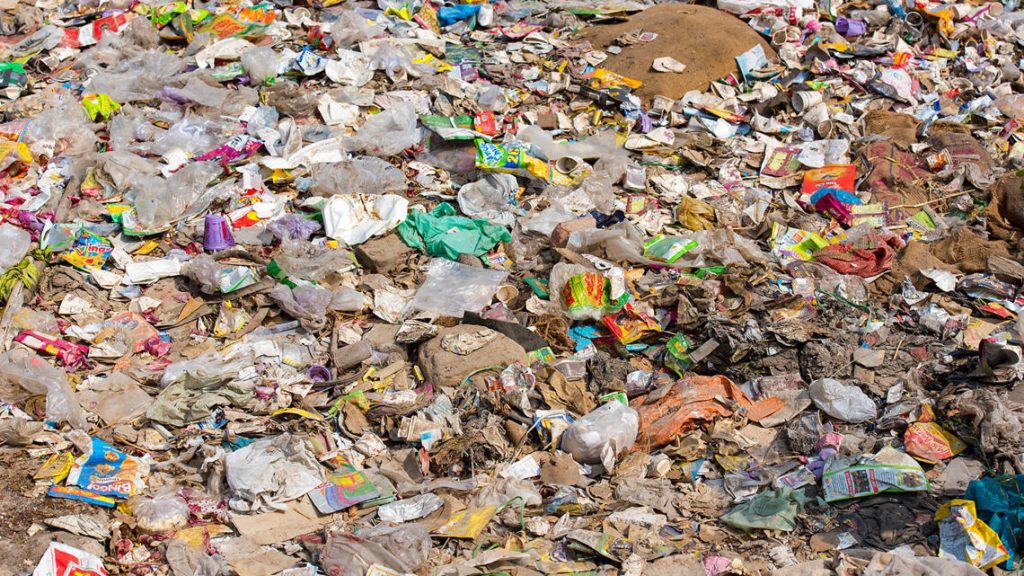
Plastic, ubiquitous in modern life due to its convenience and versatility, poses significant environmental threats. From oceans choked with plastic debris to microplastics infiltrating ecosystems and food chains, the consequences of unchecked plastic consumption are far-reaching. Moreover, the production of virgin plastic compounds these issues, contributing to greenhouse gas emissions and resource depletion.
Corporate Responsibility in Plastic Recycling
CSR compels businesses to acknowledge and mitigate their environmental footprint, making plastic recycling a crucial area of focus. By embracing responsible recycling practices, companies can mitigate the environmental impact of their operations and products. This entails not only recycling plastic waste generated internally but also promoting recycling among consumers and throughout their supply chains. Plastic to fuel machine is a solution for enterprises.
Advancing ESG Goals Through Plastic Recycling
ESG criteria evaluate a company’s sustainability performance and societal impact. Effective plastic recycling aligns closely with ESG goals in several ways:
- Environmental Impact Reduction: Turning plastic into fuel reduces the demand for virgin plastic, conserving natural resources and lowering greenhouse gas emissions associated with plastic production.
- Social Responsibility: Engaging in recycling initiatives can enhance a company’s reputation and foster goodwill among stakeholders, including employees, customers, and communities affected by plastic pollution.
- Governance and Transparency: Transparent reporting on recycling efforts demonstrates commitment to sustainable practices, enhancing trust and accountability.
Best Practices in Corporate Plastic Recycling Initiatives
Implementing robust plastic recycling initiatives requires a strategic approach:
- Internal Recycling Programs: Establish systems to collect, sort, and recycle plastic waste generated within company operations.
- Supplier Engagement: Collaborate with suppliers to reduce plastic packaging and enhance recyclability.
- Consumer Education: Educate consumers on proper plastic disposal and promote the use of recycled plastic products.
- Innovation and Collaboration: Invest in research and development of sustainable packaging alternatives and collaborate with industry peers and stakeholders to scale recycling infrastructure.
Create A World Free of Plastic Pollution Together
As businesses navigate the complexities of sustainability in a globalized world, plastic recycling emerges as a potent tool for advancing CSR and ESG goals. By prioritizing responsible recycling practices, companies not only mitigate environmental impact but also bolster their reputations and contribute to a more sustainable future. Embracing the challenge of plastic pollution through comprehensive recycling initiatives underscores a commitment to both corporate responsibility and long-term value creation, ensuring a legacy of positive impact for generations to come. Get consultation service about Beston pyrolysis plant!