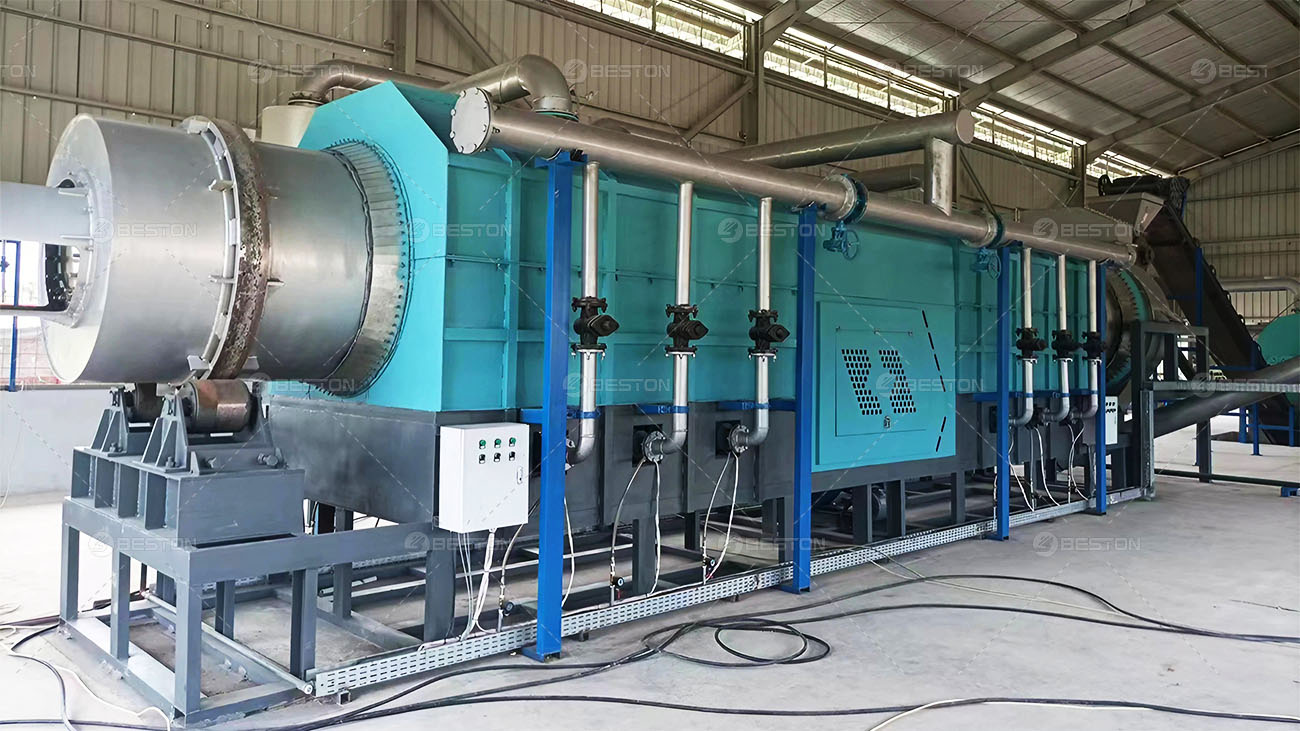
Carbon removal policies are increasingly shifting from broad climate ambitions toward measurable, durable, and verifiable carbon storage. Within this evolving framework, a biochar reactor can provide a practical pathway for converting biomass residues into a stable carbon-rich material while potentially generating additional environmental and economic value.
Unlike conventional biomass combustion, which rapidly releases much of the carbon contained in organic matter as carbon dioxide, biochar production thermochemically transforms biomass under oxygen-limited conditions. The resulting biochar can then be applied to soil or used in other long-lived applications, depending on its characteristics and applicable regulations.
From Biomass Residues to Carbon Removal
A biochar reactor operates by heating biomass in a controlled environment with limited oxygen. During this process, volatile compounds are released and can form combustible gases, while a carbon-rich solid fraction remains. Process parameters such as temperature, residence time, feedstock composition, and moisture content influence the characteristics and stability of the resulting biochar.
This distinction is important for carbon removal projects. The climate benefit does not simply come from producing black carbonaceous material. It depends on whether the biomass would otherwise release its carbon rapidly, whether the resulting biochar stores carbon for a sufficiently long period, and whether the entire production chain can demonstrate credible emissions reductions.
Modern carbon removal policies therefore increasingly emphasize additionality, permanence, traceability, and quantification.
Equipment Must Match the Carbon Removal Pathway
The choice of equipment has a direct bearing on project performance. A charcoal production machine, for example, may be designed primarily around conventional charcoal production and fuel applications. A biochar project, however, may require more precise control over operating conditions, feedstock handling, gas utilization, and biochar quality.
Feedstock diversity also affects equipment configuration. A sawdust charcoal making machine may be suitable for relatively uniform wood-processing residues, while a palm kernel shell charcoal machine needs to accommodate the physical properties and thermal behavior of palm kernel shells.
For carbon removal applications, the equipment should therefore be evaluated not merely by its nominal processing capacity. Thermal efficiency, process stability, gas utilization, emission control, feedstock flexibility, and the ability to maintain consistent operating parameters can all influence the project’s overall carbon balance.
Connecting Equipment Performance with Policy Requirements
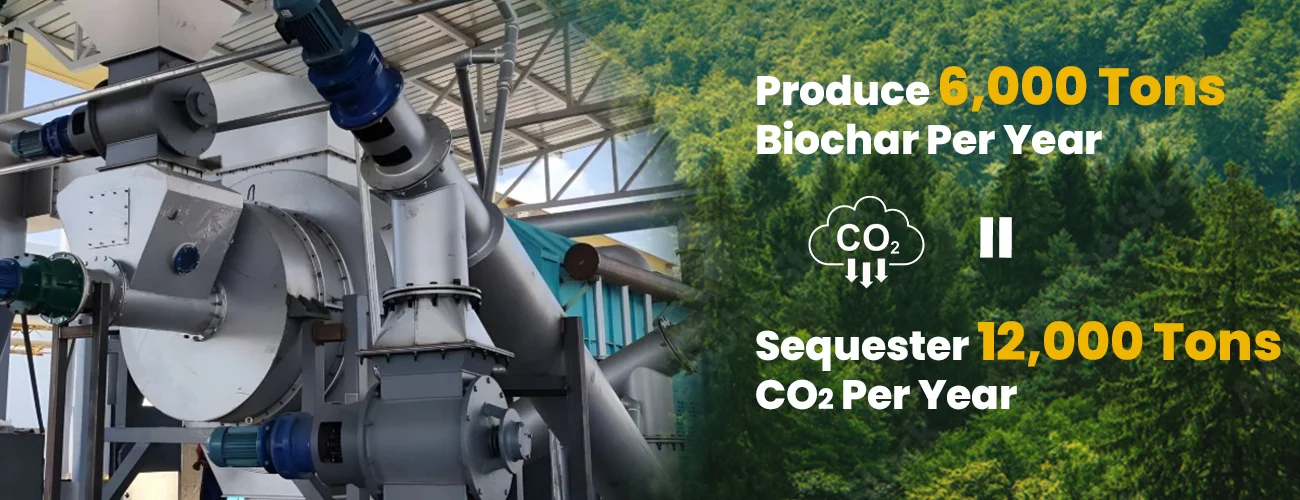
Carbon removal frameworks increasingly require projects to substantiate how much atmospheric carbon is actually removed and stored. This creates a bridge between engineering data and policy compliance.
A palm kernel shell charcoal machine can support this process by enabling controlled and repeatable production conditions. Consistent feedstock records, production quantities, operating temperatures, energy consumption, and biochar yields can provide important data for project monitoring and verification.
However, equipment alone does not guarantee carbon credit eligibility. The broader project must account for feedstock sourcing, transportation, preprocessing, reactor operation, biochar handling, application, and eventual carbon storage. Life-cycle emissions can substantially affect the net removal achieved.
This makes measurement, reporting, and verification (MRV) an integral component of modern biochar projects.
Why Policy Alignment Matters for Future Projects
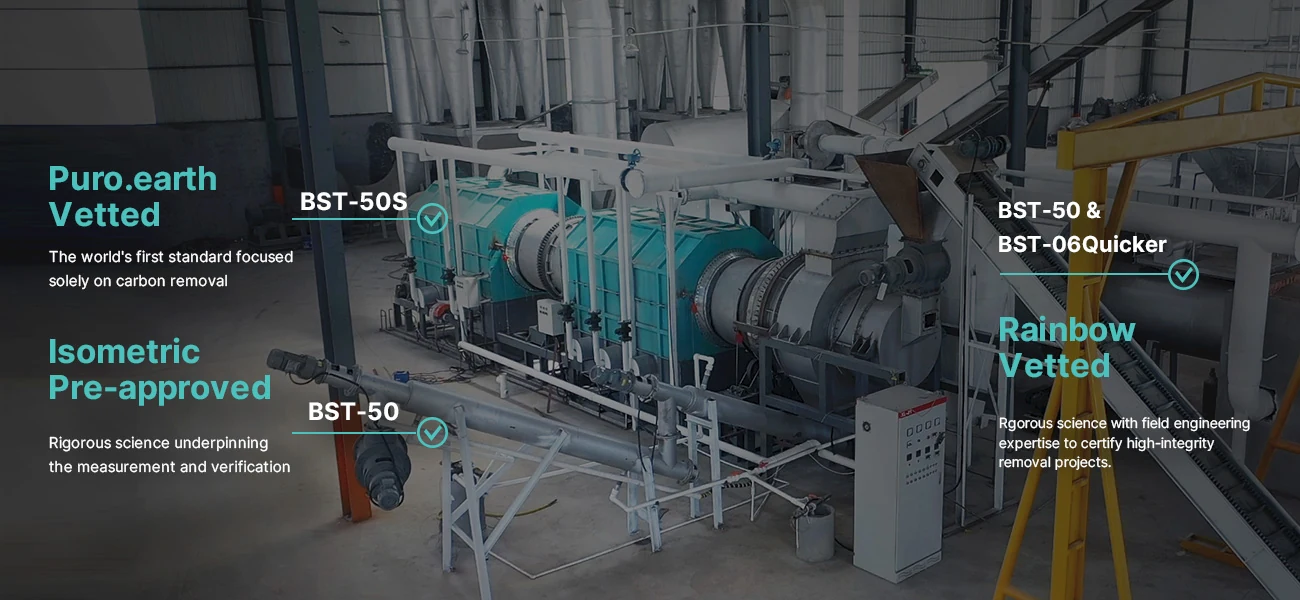
As governments and voluntary carbon markets develop more rigorous carbon removal frameworks, biochar projects are likely to face greater scrutiny regarding feedstock origin, carbon stability, environmental performance, and traceability.
Consequently, selecting a sawdust charcoal making machine should be approached as a carbon management decision rather than simply an equipment purchase. A technically capable system can help establish the operational consistency required for reliable project data, while appropriate feedstock management and downstream biochar utilization determine whether that technical performance translates into genuine carbon removal.
The direction is clear. Biochar is moving from a niche biomass-conversion technology toward a potentially measurable carbon removal pathway. Equipment capable of efficient thermal conversion, controlled emissions, and consistent biochar production will therefore become increasingly relevant as carbon removal policies evolve from aspirational targets toward quantifiable climate action.