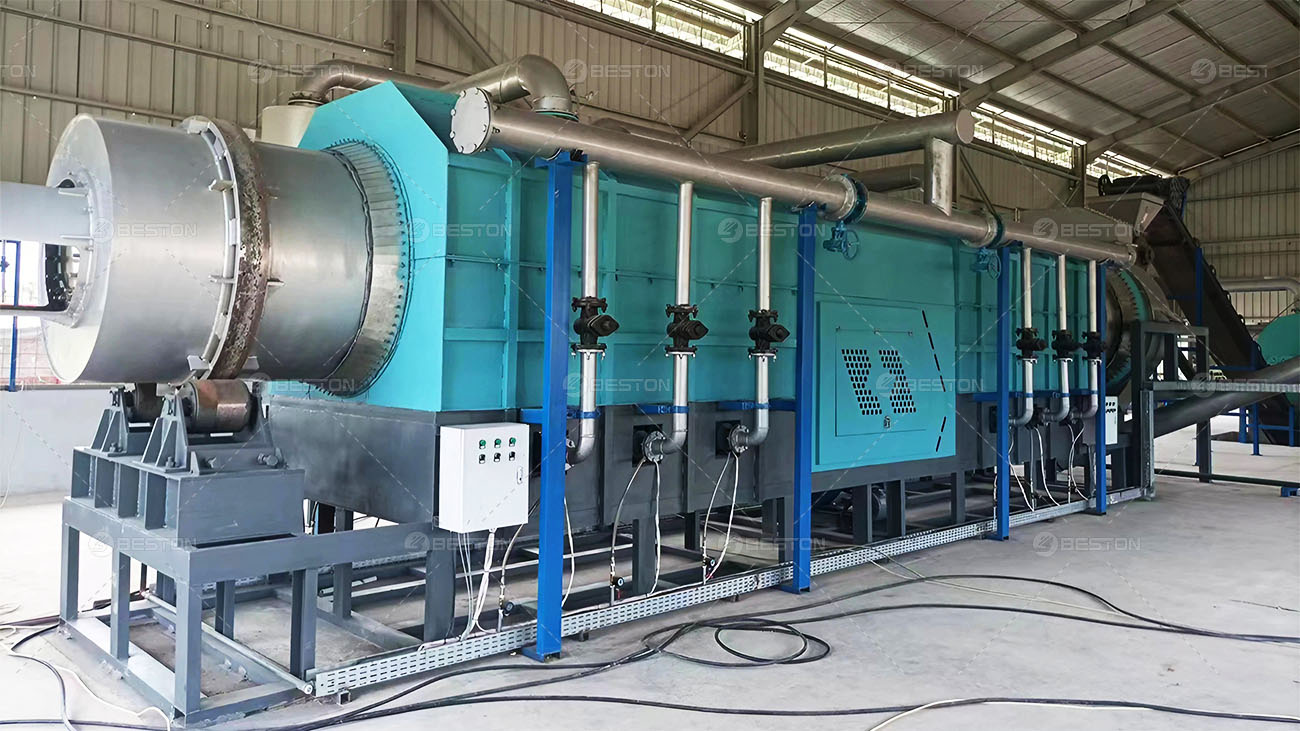
The global transition toward sustainable resource management is accelerating the development of advanced biochar production equipment technology. As industries seek practical solutions for carbon reduction, soil restoration, and biomass utilization, modern biochar systems are evolving from simple thermal processing units into highly integrated platforms with intelligent control, improved efficiency, and enhanced environmental performance.
Future innovations will focus on optimizing every stage of biochar production, from feedstock preparation to thermal conversion and product refinement. These improvements will allow manufacturers, farmers, and environmental enterprises to achieve greater resource recovery while reducing operational complexity.
Intelligent Automation and Smart Control Systems
One of the most significant trends in biochar technology is the integration of automation and digital monitoring. Traditional production methods often require manual adjustments to maintain stable operating conditions. New-generation equipment is incorporating sensors, artificial intelligence algorithms, and real-time data analysis to improve process accuracy.
An advanced biochar making machine can automatically regulate temperature, oxygen supply, and processing time according to different biomass characteristics. This intelligent adjustment improves carbon retention rates and ensures consistent biochar quality. Remote monitoring systems also allow operators to manage production performance without constant on-site supervision.
These digital capabilities represent a shift from conventional thermal conversion toward precision-based biomass management. The result is a more reliable and scalable production model suitable for commercial applications.
High-Efficiency Pyrolysis Technology
Thermal conversion efficiency remains a central focus in the evolution of biochar systems. Innovative biochar pyrolysis equipment is being designed with improved reactor structures, optimized heat transfer mechanisms, and advanced insulation materials. These upgrades help minimize energy consumption while maximizing biochar output.
Future reactors are expected to feature enhanced gas circulation systems that recover and reuse combustible gases generated during pyrolysis. By utilizing internal energy sources, production facilities can reduce external fuel requirements and improve overall sustainability.
The development of modular reactor designs is another emerging trend. Modular systems enable businesses to expand production capacity gradually according to market demand. This flexibility is particularly valuable for agricultural regions where biomass availability varies seasonally.

Integration of Biomass Waste Management Solutions
A major advancement in the biochar sector is the combination of biochar production with comprehensive biomass recycling systems. A modern biomass pyrolysis plant can process various organic materials, including agricultural residues, forestry by-products, and other renewable feedstocks.
Instead of treating biomass waste as a disposal challenge, these systems transform unused materials into valuable carbon-rich products. This approach supports circular economy principles by creating additional revenue streams while reducing dependence on landfill disposal.
Future biomass processing facilities will likely incorporate multiple functions, including waste drying, material sorting, pyrolysis conversion, and by-product recovery. Such integrated designs will improve operational efficiency and expand the commercial potential of biochar technology.
Advanced Design Optimization and Equipment Planning
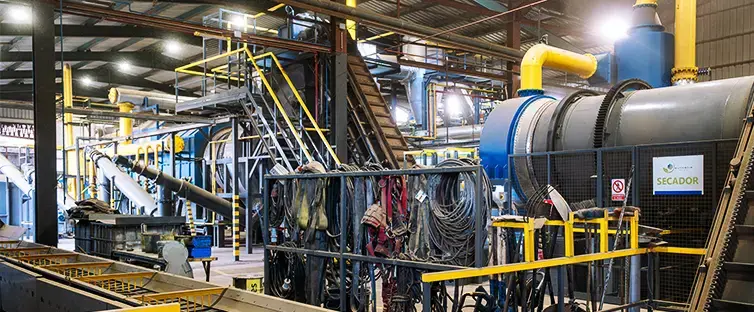
Equipment design strategies are also becoming increasingly sophisticated. Engineers are developing more efficient layouts through improved biochar kiln plans, which focus on airflow management, heat distribution, and production scalability.
Modern kiln designs aim to achieve uniform heating conditions throughout the processing chamber. Uneven temperatures can affect biochar characteristics, so optimized internal structures are essential for maintaining product consistency.
Future planning approaches will also emphasize environmental compliance. Advanced filtration systems, emission monitoring technologies, and heat recovery solutions will become standard features in professional biochar production facilities.
Expanding Applications of High-Quality Biochar
As production technology improves, the application range of biochar continues to expand. Beyond traditional agricultural use, biochar is being explored for carbon sequestration projects, industrial materials, water purification, and environmental restoration.
The next generation of biochar equipment will focus not only on producing larger quantities but also on creating specialized biochar products with controlled characteristics. Factors such as particle size, carbon content, and surface properties can be adjusted for specific applications.
Conclusion
Future innovations in biochar production equipment technology will be driven by automation, energy efficiency, integrated biomass processing, and optimized engineering design. Advanced systems will transform biochar production into a more intelligent, sustainable, and commercially viable industry.
As demand for renewable carbon solutions increases, technologies such as the biochar making machine, biochar pyrolysis equipment, biomass pyrolysis plant, and optimized biochar kiln plans will continue to play an important role in building a low-carbon future. These developments will help industries convert biomass resources into valuable products while supporting global sustainability objectives.